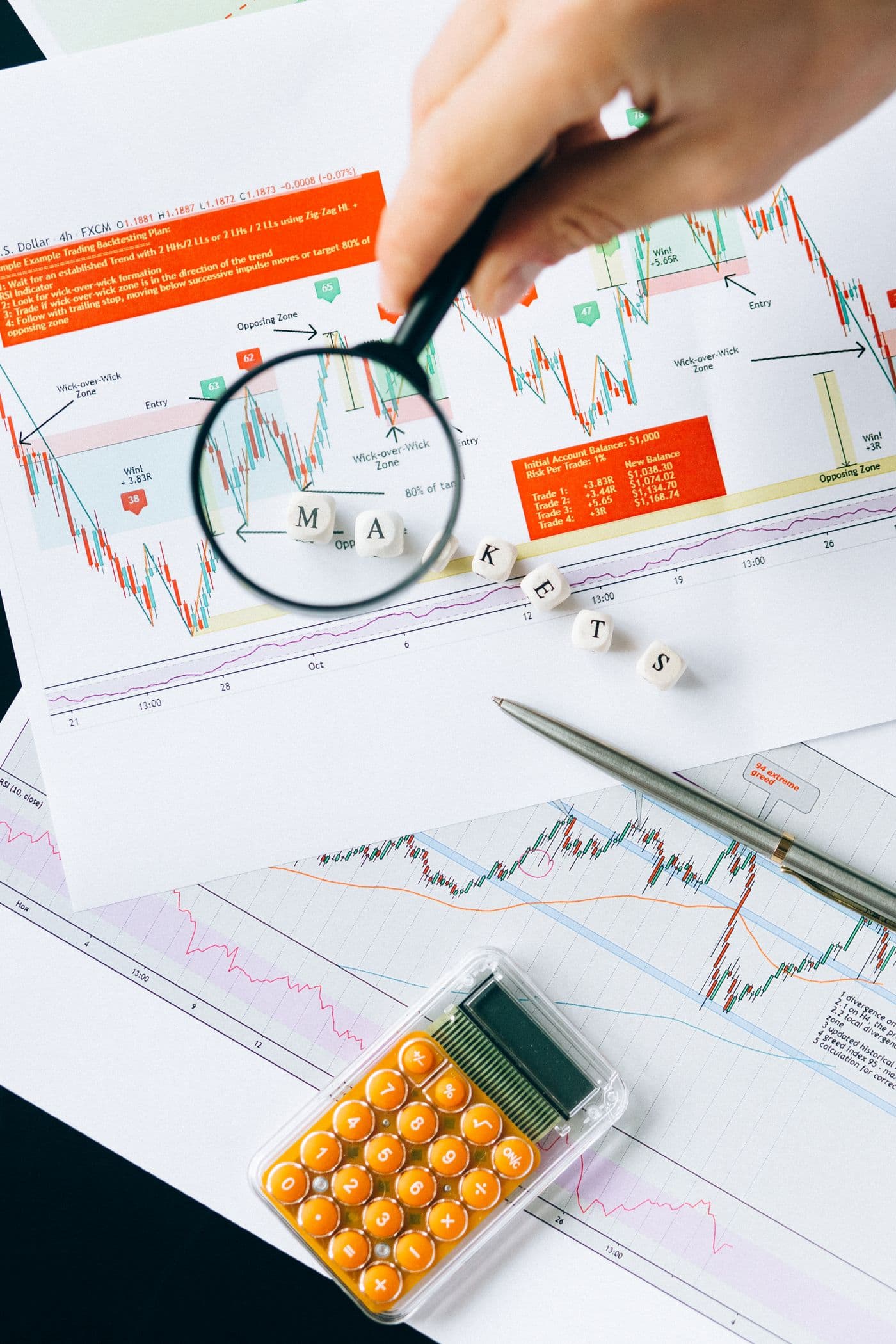
Market volatility can create uncertainty, but it does not have to derail your plan. Learn how disciplined investors approach rebalancing, taxes, cash reserves, and long-term investing.
What to do when markets feel uncertain
Market volatility can make even experienced investors question their next move. Taxes may have just been filed, quarterly earnings may be moving markets, and interest-rate news can seem to change by the day.
The most important decision is often not predicting what markets will do next. It is deciding how you will respond.
A disciplined approach during market uncertainty may include:
- Rebalancing your portfolio rather than reacting emotionally
- Reviewing potential tax-loss harvesting opportunities
- Maintaining an appropriate cash reserve for near-term needs
- Avoiding financial decisions driven by headlines or fear
- Confirming that your portfolio still reflects your goals, timeline, and tolerance for risk
Read on for a closer look at why market volatility is normal, how investors can use periods of uncertainty thoughtfully, and when it may be time to revisit your financial plan.
Why market uncertainty feels so personal
There are seasons when the financial news is difficult to ignore.
Markets move sharply. Quarterly earnings reports create headlines. Interest-rate decisions dominate conversations. A tax bill may have just arrived, prompting a fresh look at account balances and spending decisions.
For investors, uncertainty can create a simple but powerful question:
“Should I be doing something right now?”
At DF Consultants, we believe that is a reasonable question. Your financial future matters. The retirement you are planning for matters. The people who depend on you matter.
But the answer is rarely found in reacting to a single headline, a difficult week in the market, or a prediction about what might happen next.
Sound investing is not about avoiding every period of uncertainty. It is about building a plan that accounts for uncertainty before it arrives, and having the discipline to follow that plan when emotions are running high.
The greatest risk is often investor behavior, not volatility
Market volatility is a normal part of investing.
What can cause lasting damage is making permanent decisions in response to temporary fear. Investors may sell after a decline, move entirely to cash, chase whichever investment recently performed well, or attempt to time the market by getting out and trying to get back in at exactly the right moment.
These reactions are understandable. They are also difficult to execute successfully and can pull investors away from the long-term strategy designed to support their goals.
Periods of uncertainty are often when discipline matters most.
A well-structured investment plan should be built around your actual needs: your retirement timeline, income needs, spending goals, family responsibilities, tax situation, and ability to withstand market movement. When those foundations are in place, volatility becomes something to manage, not something that has to control you.
1. Rebalance your portfolio instead of retreating
Should I rebalance my portfolio during market volatility?
Market movement can cause a portfolio to drift away from its intended allocation.
For example, an asset class that performed especially well may become a larger portion of your portfolio than originally intended. Another area may decline and make up less of the portfolio. Over time, this can change the level of risk you are taking.
Rebalancing is the disciplined process of bringing your portfolio back toward its target allocation.
Depending on your plan, rebalancing may involve:
- Reducing positions that have grown beyond their intended allocation
- Adding to areas that have fallen below their intended allocation
- Restoring the level of risk appropriate for your goals and timeline
- Reviewing whether any major life changes warrant an adjustment to the allocation itself
Rebalancing is not about predicting the next market move. It is about maintaining the strategy you chose before market emotions had a chance to influence the decision.
2. Look for tax opportunities during down markets
What is tax-loss harvesting?
Market declines can be uncomfortable, but they may also create tax-planning opportunities.
Tax-loss harvesting generally involves selling an investment that has declined in value and using the realized loss to offset realized capital gains, subject to applicable tax rules. Depending on your situation, losses may also have other tax implications.
This strategy is not appropriate in every situation. Transaction costs, investment goals, tax rules, and portfolio structure all matter. It should be coordinated carefully with your financial advisor and tax professional.
However, the broader principle is valuable: periods of market volatility can sometimes offer opportunities to improve the long-term after-tax efficiency of your investment plan.
Rather than viewing a downturn only as bad news, it can be useful to ask whether there are prudent, tax-aware adjustments that support your broader strategy.
3. Revisit your cash and liquidity strategy
How much cash should I keep during market volatility?
A strong investment plan includes more than investments. It also includes cash reserves and a plan for near-term spending needs.
Market uncertainty often reveals whether an investor has enough readily available liquidity. Without it, you may feel pressured to sell long-term investments at an inconvenient time simply to meet an upcoming expense.
Questions worth considering include:
- Do I have enough cash or accessible reserves for unexpected expenses?
- Do I have near-term spending needs that should not be exposed to market risk?
- Am I holding more cash than I need without a clear purpose?
- Does my cash strategy support my retirement-income plan and overall financial goals?
There is no single cash target that is right for every household. The appropriate level depends on your income stability, expenses, debt, retirement status, health needs, business responsibilities, and other personal circumstances.
The goal is balance: enough liquidity to protect your flexibility, without allowing idle cash to quietly work against your long-term goals.
4. Turn down the volume on financial media
Financial headlines are designed to capture attention. Your financial plan should be designed to support your life.
Those are not always the same thing.
Constant market commentary can make short-term movements feel more important than they are. It can create pressure to act, even when no action is necessary. And it can distract from the investment principles that tend to matter most over time:
- A diversified portfolio
- An allocation aligned with your risk tolerance and goals
- Consistent saving and disciplined investing
- Tax-aware decision-making
- A long-term perspective
- Periodic review and appropriate rebalancing
Staying informed is different from becoming absorbed in every headline. The most helpful question is rarely, “What did the market do today?” It is more often, “Has anything changed in my life that requires a change in my plan?”
5. Reconnect your investment strategy to your life goals
Market volatility is also an opportunity to revisit the foundations of your plan.
Consider asking:
- Has my retirement timeline changed?
- Have my spending needs or income needs changed?
- Do I feel comfortable with the amount of risk I am taking?
- Have my family responsibilities changed?
- Am I still investing in a way that supports the life I want to live?
The most appropriate portfolio is not necessarily the most aggressive one or the one with the best recent performance. It is the one designed to give you a reasonable path toward your goals while allowing you to stay committed when markets become difficult.
At DF Consultants, we start with the life you are planning for. Investments are an important part of that conversation, but they are not the whole conversation.
Your financial plan should also account for retirement income, taxes, estate planning, healthcare considerations, family goals, and the purpose you want the next chapter of life to hold.
Questions we get asked
- Should I sell investments when the market drops?
- Selling during a market decline may lock in losses and can cause investors to miss a subsequent recovery. Whether changes are appropriate depends on your individual circumstances, portfolio, time horizon, and financial goals. Before making major investment decisions, review them in the context of your comprehensive financial plan.
- Is trying to time the market a good investment strategy?
- Consistently predicting market highs and lows is extremely difficult. Many long-term investors instead focus on diversification, appropriate asset allocation, consistent contributions, and maintaining a plan designed for their goals.
- How can I reduce investment risk during volatile markets?
- Risk is generally best managed proactively through diversification, asset allocation, appropriate cash reserves, and a portfolio designed around your objectives and time horizon. Making major changes during a volatile period can introduce new risks, so decisions should be considered carefully.
- Is market volatility ever an investment opportunity?
- Market volatility may create opportunities for portfolio rebalancing, tax-loss harvesting, and reviewing investments that no longer fit your strategy. Any decision should be evaluated in light of your broader financial plan and risk tolerance.
Uncertainty is not a signal to abandon your plan
Market volatility does not necessarily mean something is wrong. It means markets are doing what markets do: responding to changing information, expectations, and conditions.
What matters most is whether your plan was built to handle those moments.
At DF Consultants, we help clients make decisions with clarity rather than fear. We provide coordinated guidance around investments, retirement income, tax strategies, estate planning, and the larger life questions that matter beyond the balance sheet.
You do not have to navigate changing markets alone. A steady, thoughtful conversation can make all the difference.
Let’s talk about the life you are planning for, and build an investment strategy designed to support it through every season.