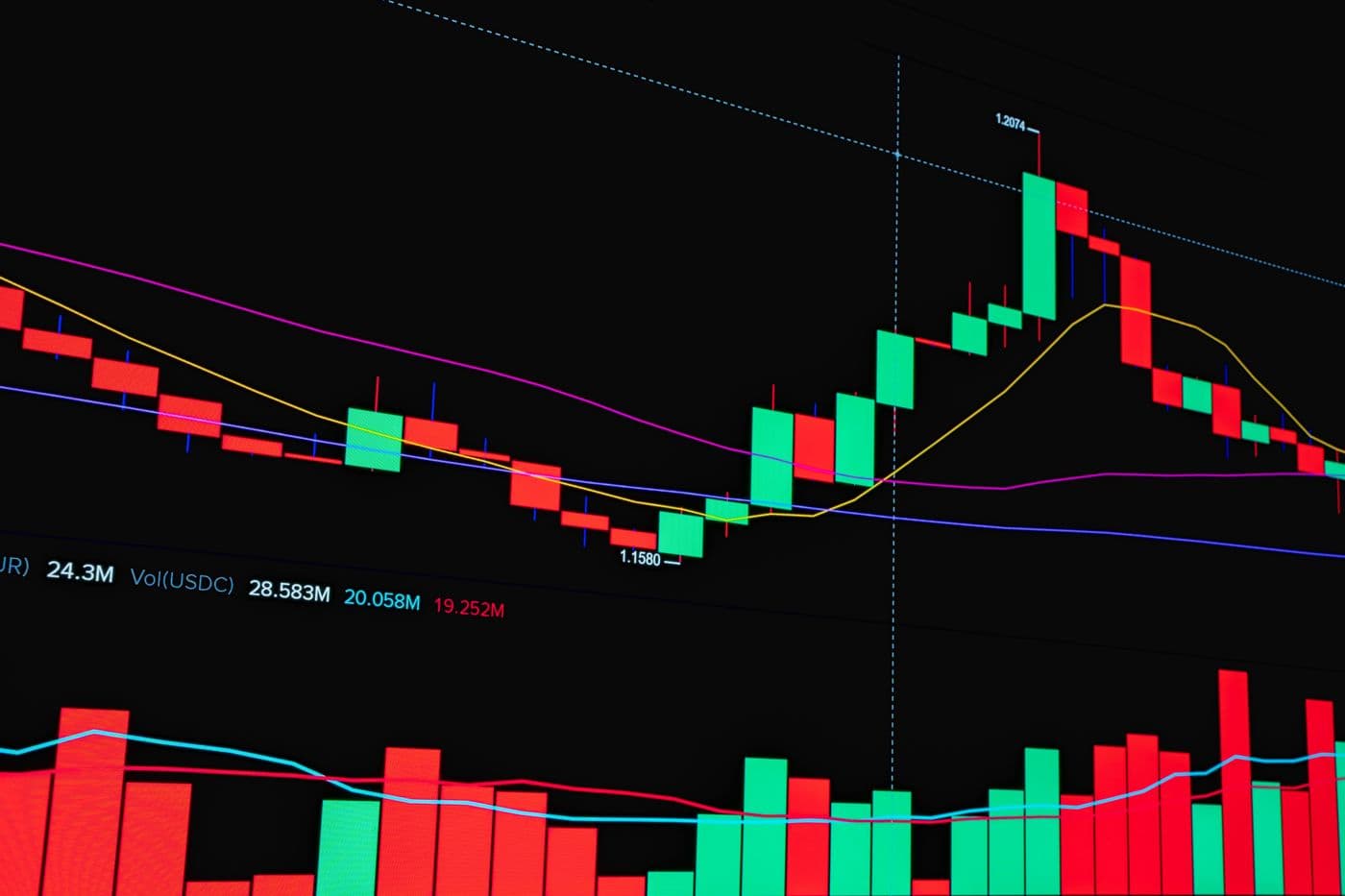
Looking beyond market noise and financial fads? Learn how disciplined investors build durable wealth through intentional planning, risk management, and purpose-driven strategies that stand the test of time.
Timeless principles in a changing world
Every market cycle brings a wave of new financial trends, emerging technologies, and promises of rapid wealth creation. While innovation continues to reshape the economy, lasting financial security is rarely built on short-term fads or speculative shortcuts.
Real wealth is built through discipline, intentional coordination, and clarity about what your money is meant to accomplish for your life and family.
In this guide, we examine how to approach wealth-building with wisdom, discernment, and practical strategy:
- Distinguishing durable investments from speculative market noise
- Aligning your portfolio with your personal values and convictions
- Participating in innovation without jeopardizing your family's core financial security
- Leveraging modern technology to enhance human guidance, not replace it
- Connecting investment growth directly to retirement, taxes, and legacy
Whether you are preparing for retirement or managing a lifetime of savings, building wealth is not just about maximizing numbers on a screen, it is about stewarding your resources to support the people, purpose, and future you care about most.
In an era of financial noise, clarity is your greatest asset
If you pay attention to the financial news, it often feels as though the rules of investing change every week.
Headlines urge investors to chase the next breakthrough technology, dive into speculative digital assets, or adopt the latest app promising automated financial freedom. It is easy to feel that if you are not chasing the newest trend, you are somehow falling behind.
At DF Consultants, serving families across Virginia since 1998 has taught us an enduring lesson: the tools and technologies may evolve, but the principles of sound stewardship never change.
Markets will go through seasons of exuberance and seasons of uncertainty. Trends will emerge, captivate attention, and often fade. But the foundational goal of wealth management remains steady: ensuring that your money reliably supports the life you have thoughtfully planned for.
Here is how intentional investors can navigate modern opportunities without losing sight of what truly matters.
1. Invest in real businesses and innovation, with discipline
Technological advancement has always driven economic productivity. From artificial intelligence and medical breakthroughs to automation and clean energy, transformative technologies present compelling opportunities for economic growth.
However, there is a profound difference between prudent, long-term investing in high-quality companies and chasing speculative market momentum.
- Look for durable fundamentals. Enduring companies demonstrate real revenues, manageable debt, proven leadership, and competitive advantages that weather economic downturns.
- Avoid over-concentration. Pouring excessive capital into a single sector or speculative trend introduces uncompensated risk that can derail decades of diligent saving.
- Use broad, diversified vehicles. Exchange-traded funds (ETFs) and diversified portfolios allow investors to participate in innovative industries while managing individual company risk.
Participating in growth should never require wagering your family's financial security on the hope of overnight success. True growth compounds quietly and sustainably over time.
2. Align your wealth with your values and convictions
For many investors, building wealth is not merely an exercise in accumulating capital. It is an expression of their values, their faith, and their responsibility to their community and future generations.
Whether through values-aligned screening, sustainable investing, or purposeful philanthropy, investors increasingly want their portfolios to reflect what they stand for.
- Clarity over labels. Do not simply rely on broad marketing terms or generic rating metrics. Understand what individual funds actually own and ensure they match your personal principles.
- Long-term perspective. Companies that practice sound governance, treat employees well, and manage resources responsibly are often well-positioned for long-term resilience.
- Generosity as part of the plan. The most rewarding aspect of wealth is often what it enables you to give away. Thoughtful charitable giving strategies can maximize the impact on causes you love while optimizing tax outcomes.
When your financial strategy reflects your deepest values, managing your money stops feeling like a mechanical chore and becomes a meaningful pursuit of purpose.
3. Treat speculative trends as high-risk exploration, not core strategy
The rise of alternative digital assets, decentralized finance protocols, and fractional real estate platforms has attracted widespread attention. While these developments reflect ongoing shifts in the financial infrastructure, they also carry distinct realities that prudent investors must acknowledge:
- Elevated volatility and liquidity constraints. Emerging asset classes and newer platforms can experience dramatic price swings, platform risks, and limited liquidity when markets experience stress.
- Regulatory and operational uncertainty. New financial technologies often operate in evolving regulatory environments that can shift rapidly.
- The golden rule of risk management. If you choose to explore emerging or speculative assets, only allocate capital you can afford to lose without disrupting your lifestyle, your retirement timeline, or your family's commitments.
A sound financial plan is divided into intentional components: a secure, reliable core designed to protect your livelihood, and only then, if appropriate, a modest allocation for discretionary opportunities.
4. Harness modern technology to support real relationships
Digital financial planning software, automated tracking tools, and data analytics have never been more advanced. Today, sophisticated planning platforms help model complex tax brackets, simulate market stress tests, and streamline administrative paperwork.
Yet technology is only as good as the understanding behind it.
An algorithm can process historical market data, but it cannot:
- Understand the personal hopes you have for your grandchildren
- Sense the emotional weight of transitioning away from a decades-long career
- Walk through the grief of losing a spouse and gently guide the financial decisions that follow
- Know what will give your days meaning, structure, and joy once the workplace routine ends
At DF Consultants, we leverage advanced institutional software and tax-planning technology every day. But we treat technology as a servant to the relationship, never a substitute for it. The software handles the calculations; human wisdom, empathy, and listening ensure the plan fits your life.
5. Anchor every investment decision to a comprehensive plan
Investing in a vacuum is one of the most common mistakes high-earners and retirees make. An investment allocation cannot be judged in isolation, it only makes sense in the context of your complete financial picture.
Before asking, "Is this a good investment?", the more important questions are:
- Retirement Income. How and when will this asset generate dependable cash flow when you stop working?
- Tax Strategy. What are the tax consequences of buying, holding, or selling this asset across taxable, pre-tax, and Roth accounts?
- Risk Tolerance & Capacity. Can your emotional well-being and your practical timeline handle a 20% or 30% drop in this position?
- Estate & Legacy. How does this asset fit into your will, trust, or beneficiary designations for the next generation?
When your investments, taxes, retirement income, and estate planning operate as one unified team, you no longer have to worry about chasing whatever trend happens to be circulating on the news. You have a plan tailored specifically to you.
Questions we get asked
- How can I protect my portfolio from chasing market fads?
- The most reliable defense against market fads is a documented, comprehensive financial plan. When you know exactly what your assets are allocated for, such as immediate cash reserves, dependable retirement income, and long-term growth, it becomes much easier to filter out short-term market noise.
- Is sustainable or values-based investing suitable for retirees?
- Yes, provided it is implemented within a disciplined, diversified framework. Values-based investing does not require abandoning sound investment principles; it simply means ensuring your investments align with your convictions while still targeting the risk-adjusted returns required to fund your lifestyle.
- What is the difference between investing and speculating?
- Investing involves deploying capital into proven assets with tangible economic value, cash flow, and underlying business fundamentals over a multi-year horizon. Speculation relies heavily on short-term price movements and the expectation that someone else will buy the asset at a higher price later, regardless of intrinsic value.
- How should high-net-worth families evaluate new financial opportunities?
- High-net-worth families should evaluate any new opportunity through the lens of their broader wealth architecture: liquidity requirements, tax drag, counterparty risk, estate transfer implications, and whether the potential reward justifies taking focus away from their core plan.
The life you are planning for
At the end of the day, true wealth is not measured simply by numbers on a balance sheet. It is measured by the freedom, independence, and peace of mind it provides for you and the people you love.
A good retirement runs on four key dimensions: physical, intellectual, social and emotional, and spiritual. Money is only one part of the equation, it is the fuel that allows you to live out your purpose, care for your family, and make a lasting difference in your community.
If you are looking for an advisory team that listens first, brings genuine technical expertise, and walks with you through every season of life, we invite you to begin the conversation.
Let’s talk about the life you are planning for, and build an investment and wealth strategy designed to support it.